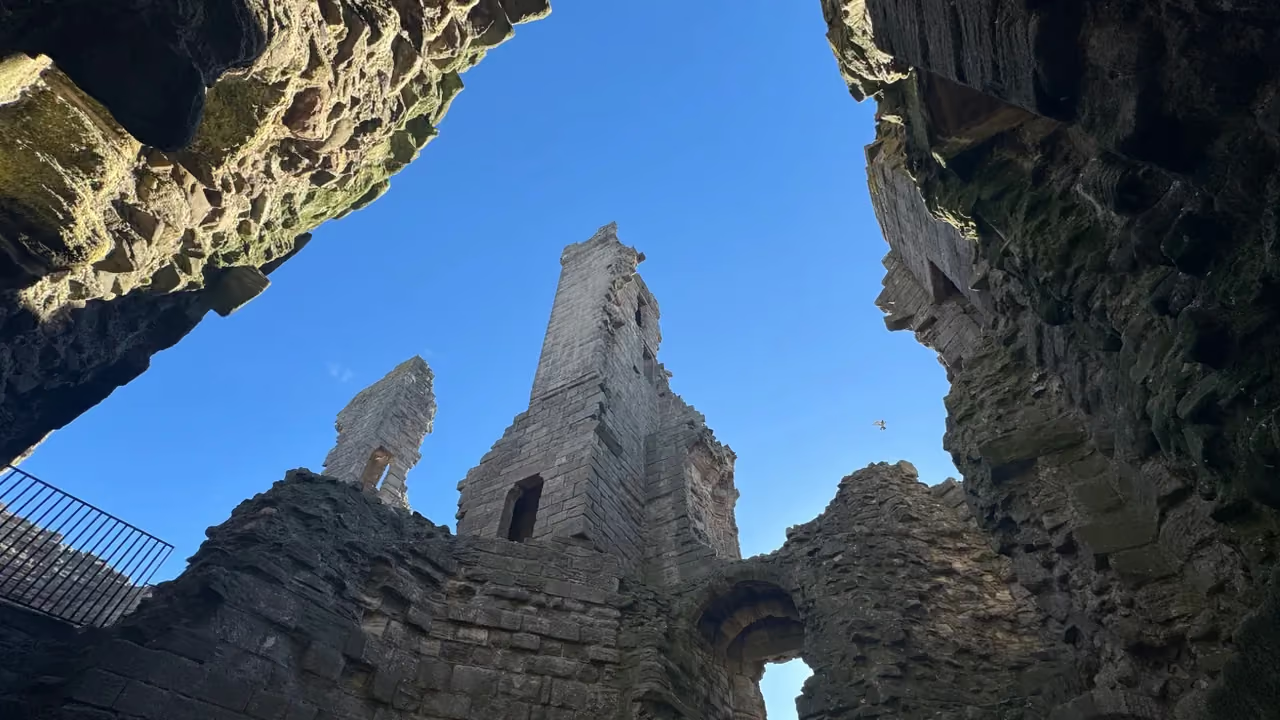
Our Time at Dunstanburgh Castle
A Different Perspective
We walk past Dunstanburgh Castle often. It's one of our favourite stretches of the Northumberland coastline, and that magnificent silhouette rising above the sea never really loses its appeal.
My National Trust membership card is usually sitting in the car, and every time we pass the castle we say the same thing.
“Next time.”
Well, this was next time.
Dunstanburgh Castle is managed by English Heritage, but National Trust members can enjoy free admission, so we decided to venture beyond those imposing walls and see what we'd been missing.
And, as it turns out, quite a lot.
Beyond the Castle Walls
If you've already made the mile-or-so walk from Craster or approached along the coast from Embleton, you could be forgiven for thinking you've seen most of Dunstanburgh Castle.
After all, it's a ruin. A spectacular ruin, admittedly, but from the outside there doesn't appear to be a great deal more to discover.
How wrong we were.
Once inside, the perspective changes completely.
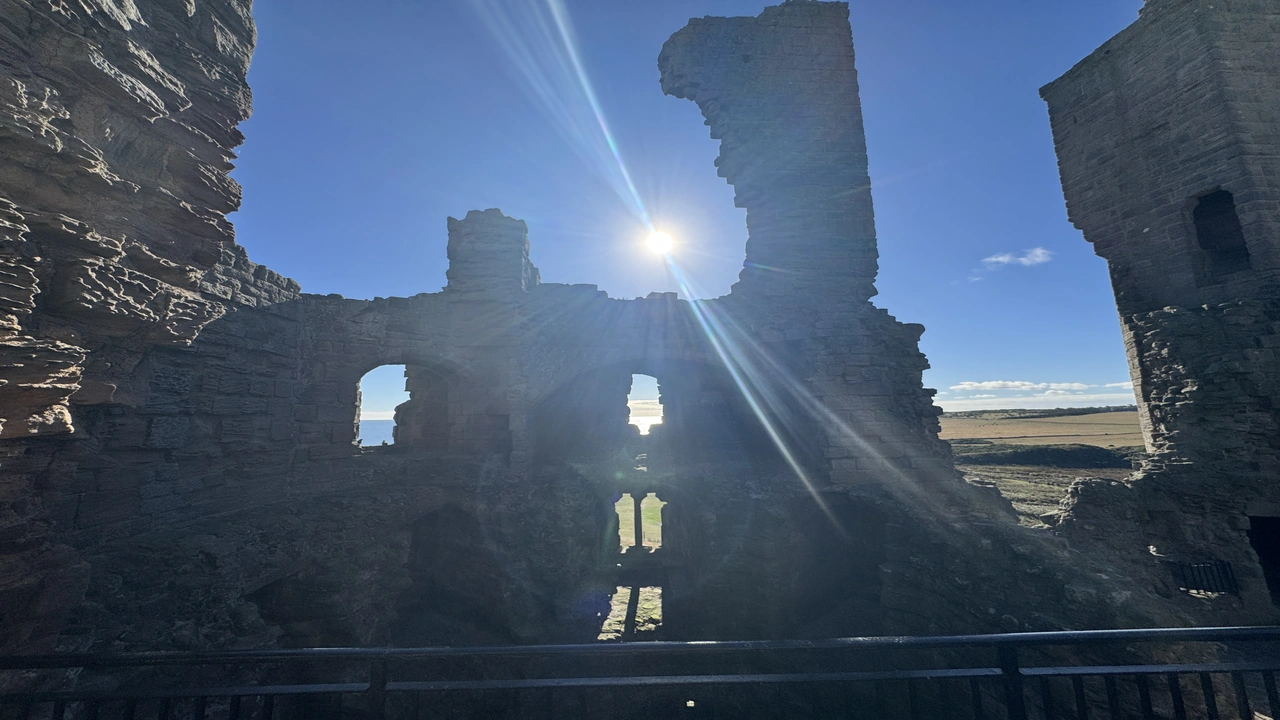
The great gatehouse, the remains of the towers, the open spaces where buildings once stood — suddenly you begin to appreciate just how enormous this place must have been.
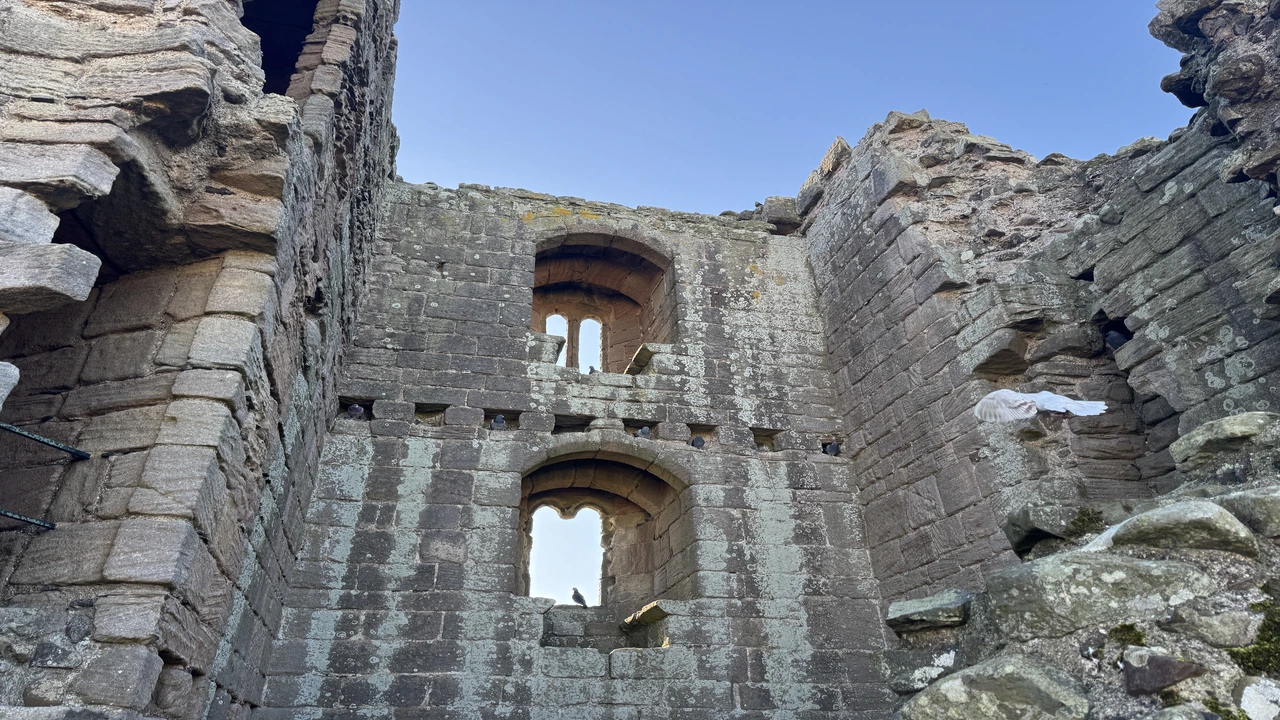
And then there are the views.
Looking back towards the coast from within the castle walls gives you an entirely different appreciation of the landscape. It's one of those places where you find yourself standing quietly, imagining what life must have been like here centuries ago.
A Little History
Dunstanburgh Castle was begun in 1313 by Thomas, Earl of Lancaster, one of the most powerful noblemen in medieval England.
Built on a dramatic headland overlooking the North Sea, it was as much a statement of wealth and political ambition as a fortress.
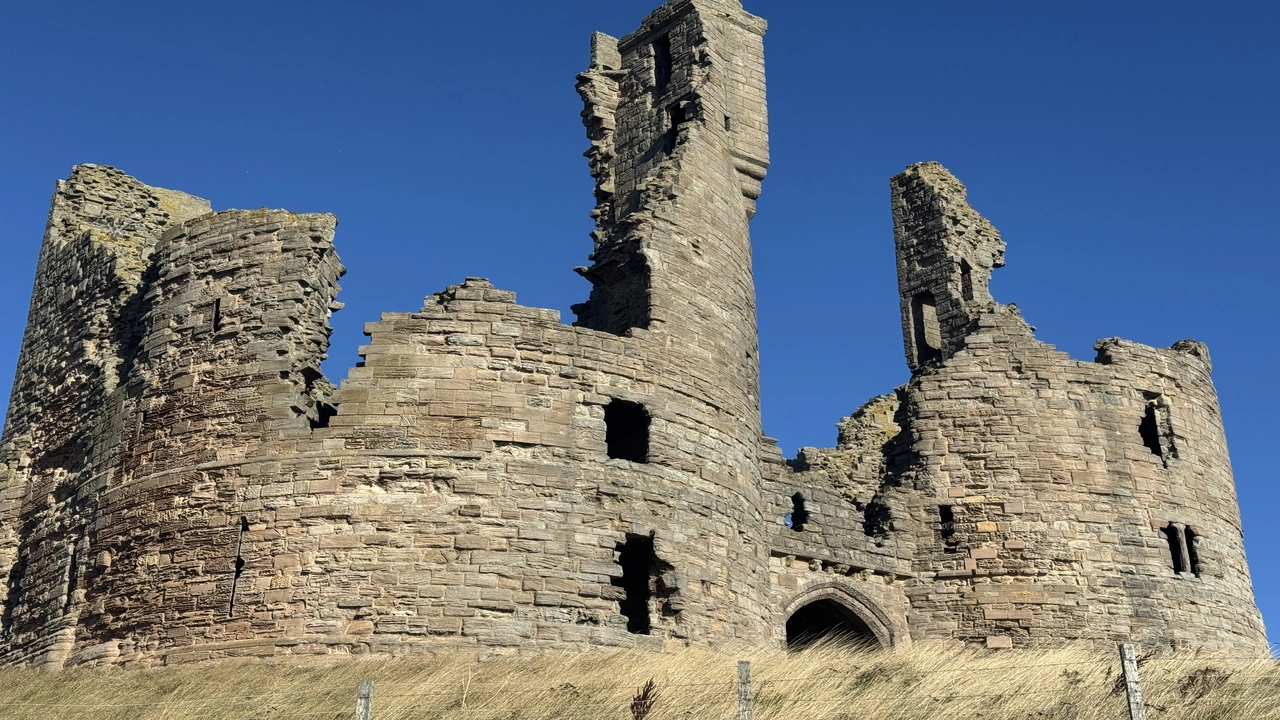
Thomas fell out spectacularly with King Edward II and was executed in 1322, leaving his great castle unfinished.
Later, under John of Gaunt in the 14th century, Dunstanburgh was strengthened and developed further, particularly its formidable gatehouse.
The castle also played a part in the Wars of the Roses during the 15th century, changing hands before eventually falling into decline.
Today, the ruins stand exposed to the Northumberland weather, with the sea on one side and rolling countryside on the other.
And perhaps that's part of the magic.
You don't need everything reconstructed and polished to appreciate the history. Sometimes a ruined wall, a windswept tower and a little imagination are more than enough.
A Few Things Worth Knowing
There are some useful toilets within the castle grounds, which is rather welcome after the coastal walk.
And there are horned sheep.
Yes, sheep.
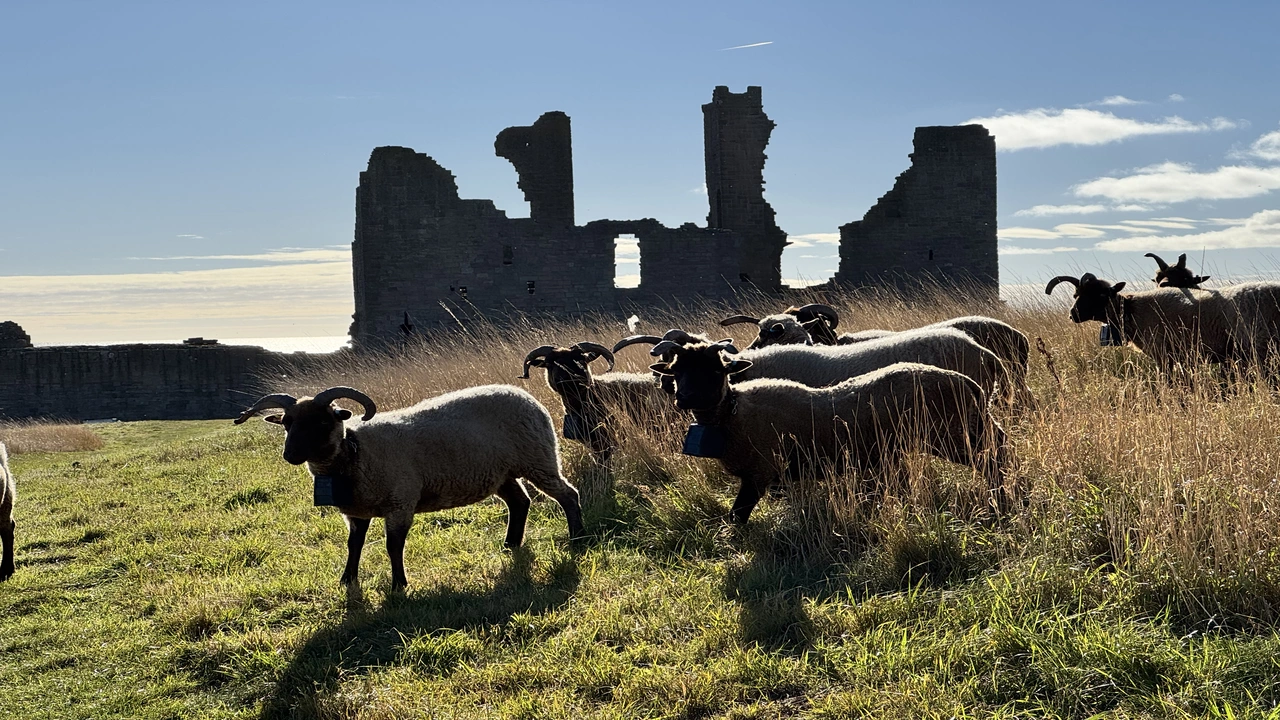
Not quite what you'd expect to find wandering around a medieval castle, but rather charming all the same.
We visited in mid-October, when the autumn light was particularly beautiful, and came away with some fantastic photographs taken from inside the castle.
I hope you enjoy them.
Our Thoughts
Dunstanburgh Castle is already one of Northumberland's most recognisable landmarks, and the walk towards it is worth doing in its own right.
But if, like us, you've always admired it from the outside and promised yourself you'd go in one day, we'd encourage you to make that day sooner rather than later.
There's more to discover than you might imagine.
And next time we walk past?
We might just go in again.
Heather & Sand verdict: The walk to Dunstanburgh is a Northumberland classic, but don't stop at the walls. Step inside and the ruin becomes a place — the gatehouse, the towers, the scale of it all and those views back along the coast. If you've been saying “next time” for years, make this the time.

