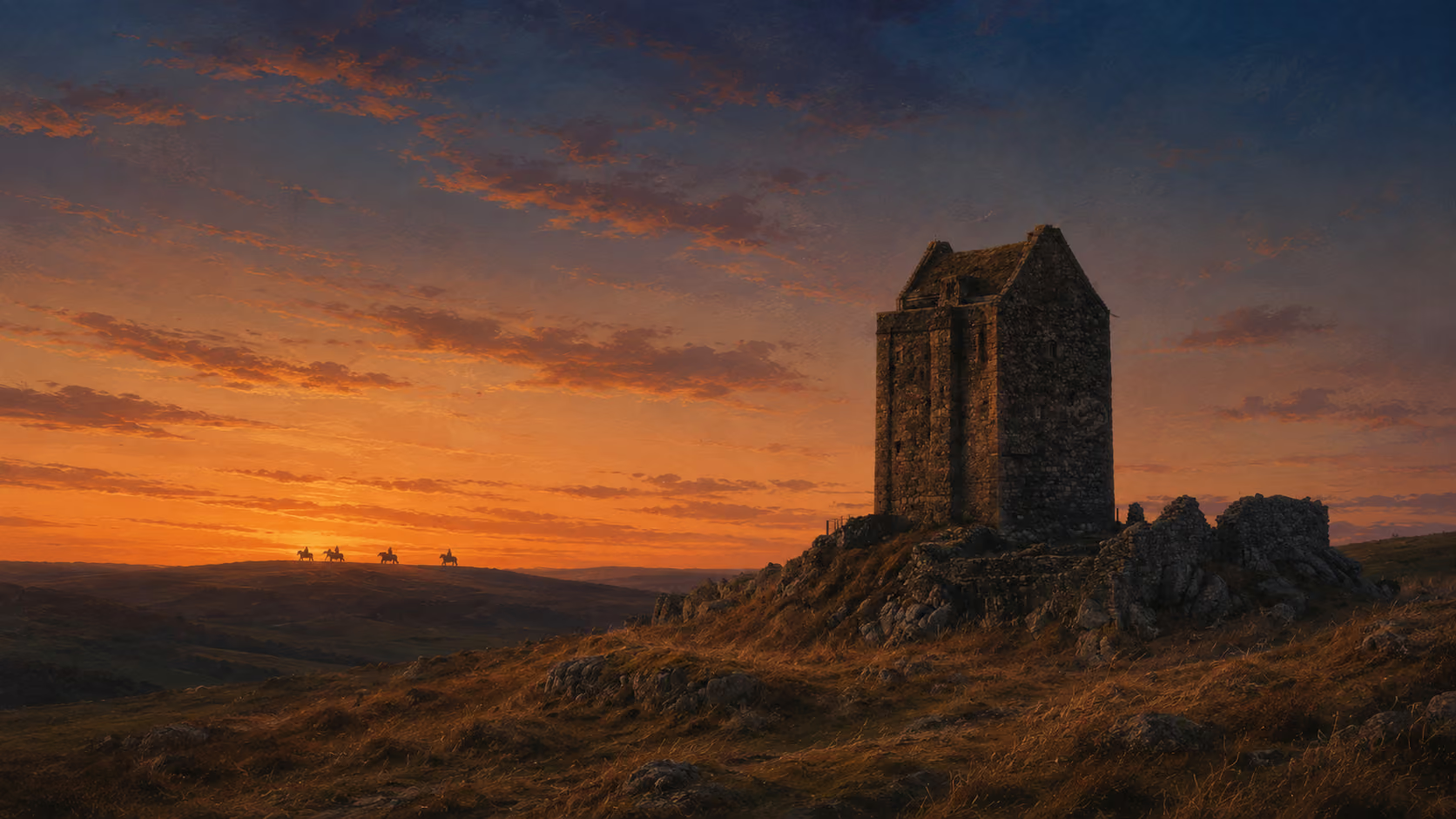
This is that story.
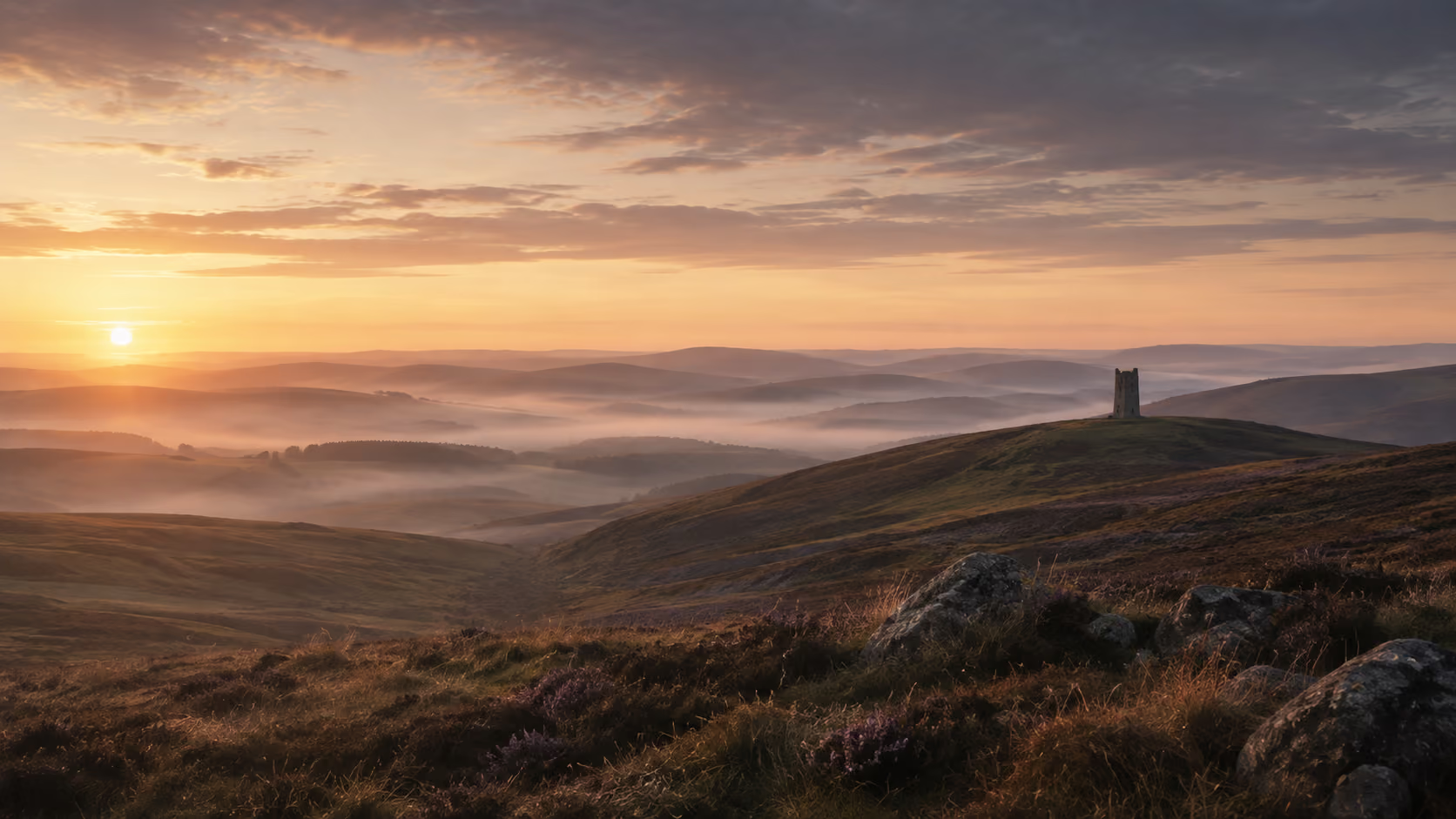
For nearly three hundred years — from the late 1200s to the early 1600s — the land straddling England and Scotland wasn't really governed by either country. Kings in London and Edinburgh both claimed it. Neither could properly police it. Into that gap stepped the reiving families: networks of raiders, English and Scottish alike, who lived by taking cattle, goods, and sometimes people from across the border — and just as often from their own countrymen a few valleys over.
Loyalty here wasn't to a crown. It was to a surname. Families like the Armstrongs, Elliots, Robsons, and Charltons built reputations that mattered more locally than any king's writ, and a raid didn't much care which side of the border it crossed.
The word reiver comes from an old word for "to rob" — and reiving wasn't opportunistic crime so much as a way of life, almost seasonal, timed around harvests and moonlit nights that made travelling herds easier to move unseen. "Riding the moonlight" became a term for exactly that.
Ordinary families bore the weight of it. If a household couldn't defend itself, the practical solution was to pay for protection instead — money handed over simply to be left alone. That arrangement is where the English language gets the word blackmail, a border-country term for tribute paid to raiding families, centuries before it meant anything else.
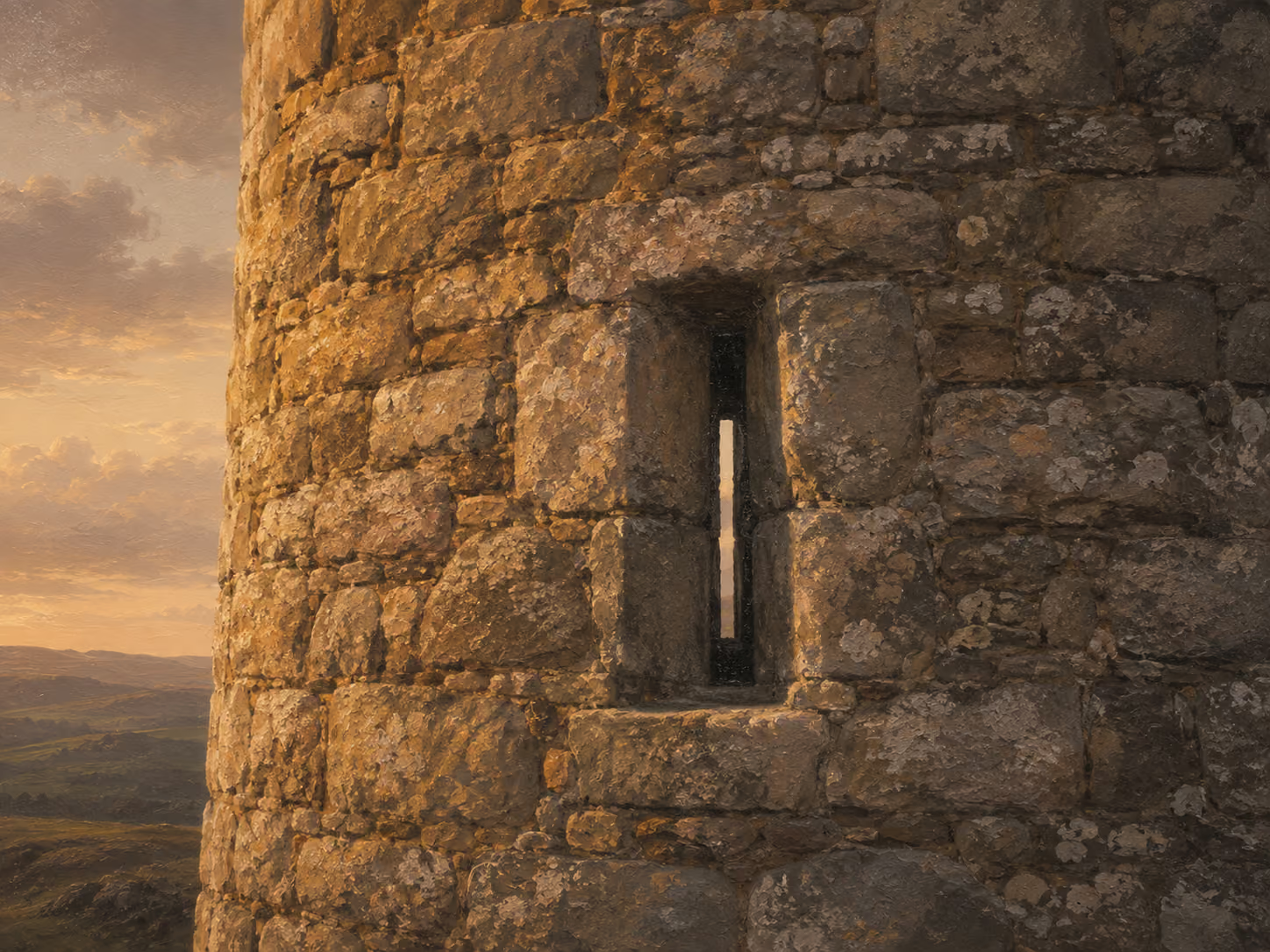
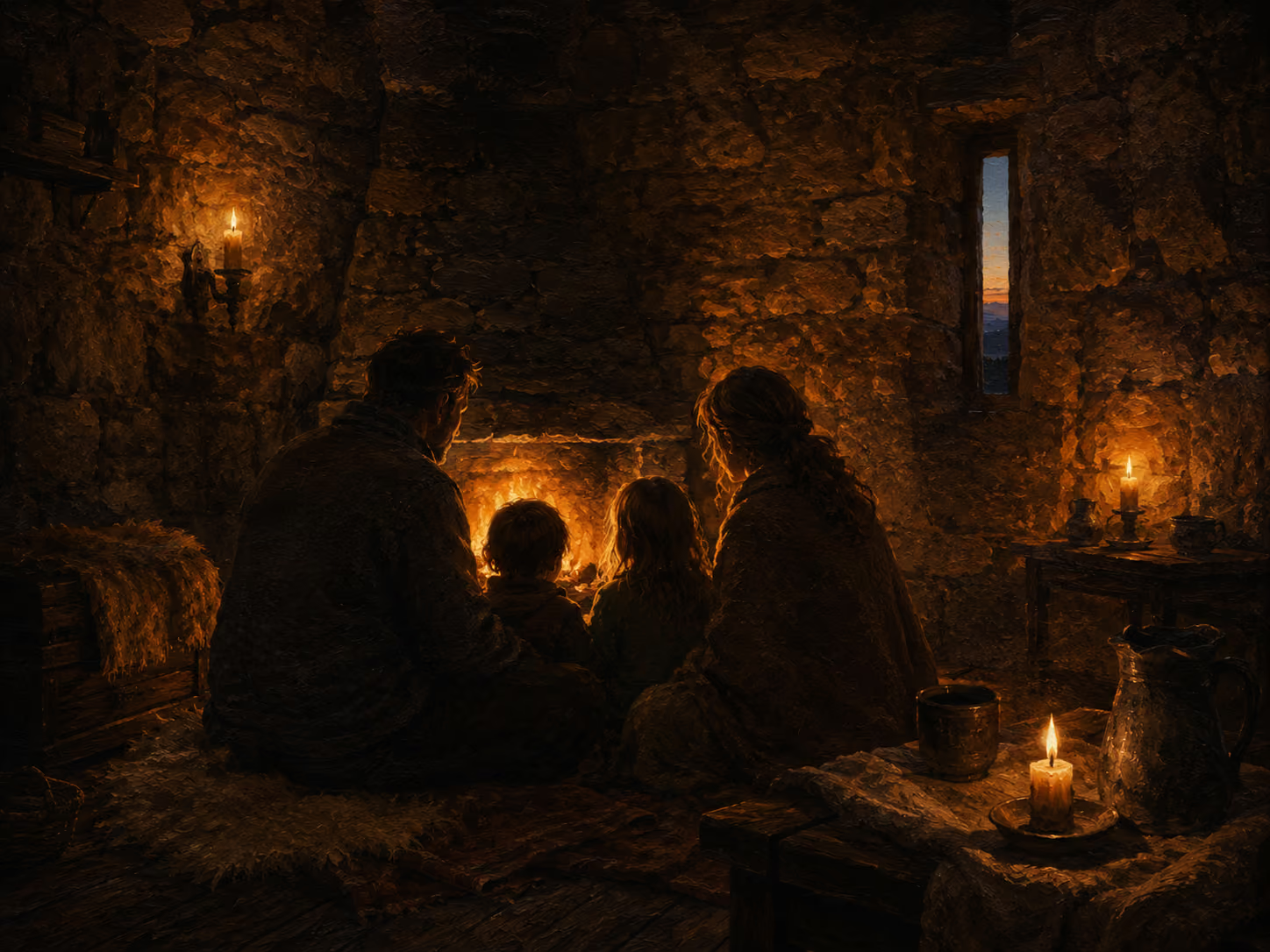
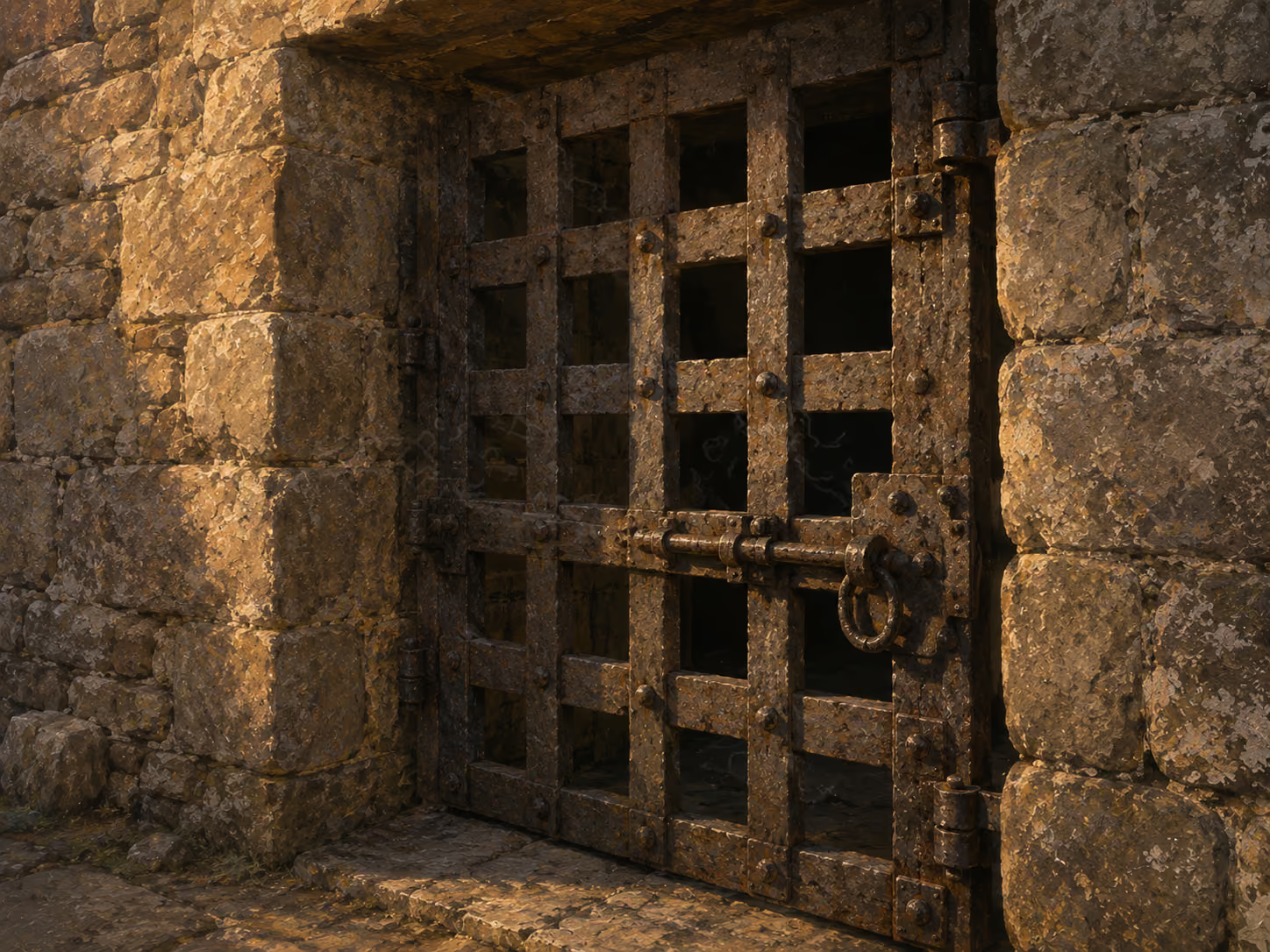
Architecture adapted to the threat. Across Northumberland, families built pele (peel) towers — small stone keeps with walls several feet thick, no ground-floor windows, and livestock stabled below while the family slept above behind a locked iron gate, or yett. Around 175 once stood in the county alone. They weren't grand. They were practical, built by people who needed to survive a night raid, not impress a neighbour.
If you'd like to see what one of these towers looks like today, read A Tower Built for Waiting, where we visited Preston Tower itself.
The lawlessness eventually became untenable for both crowns. When James VI of Scotland inherited the English throne in 1603 and became James I, unifying the two kingdoms under one ruler finally removed the reivers' advantage — a border to hide across. What followed was brutal and effective: executions, forced exile, and the deliberate dismantling of the old reiving families' power, carried out so thoroughly that the region's name for the crackdown, "Pacification of the Borders," undersells just how final it was.
What's left today is quieter than the history suggests. Pele towers stand as farmhouses, ruins, or — like Preston Tower — places you can walk into and climb, built by families whose biggest daily concern wasn't the view.