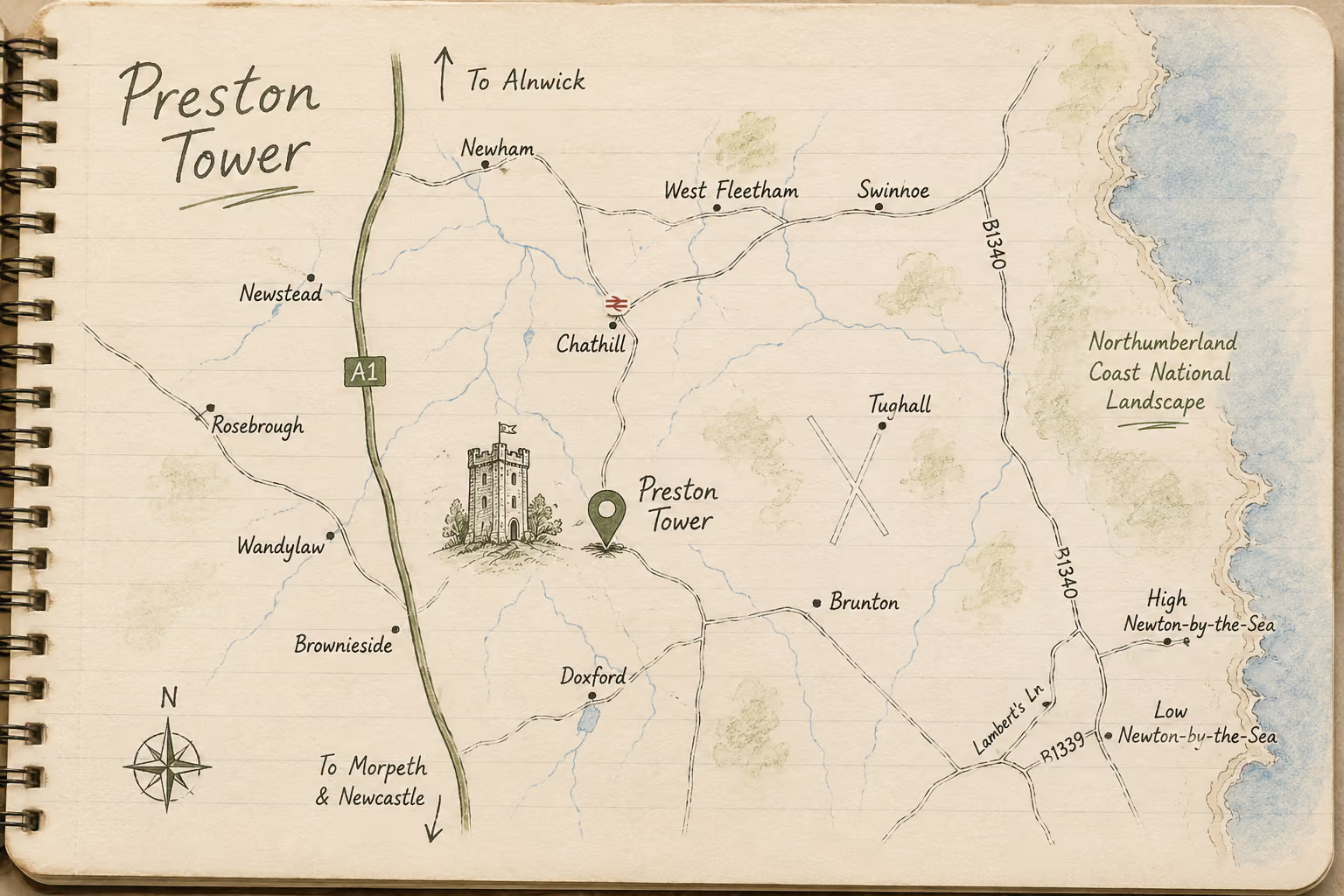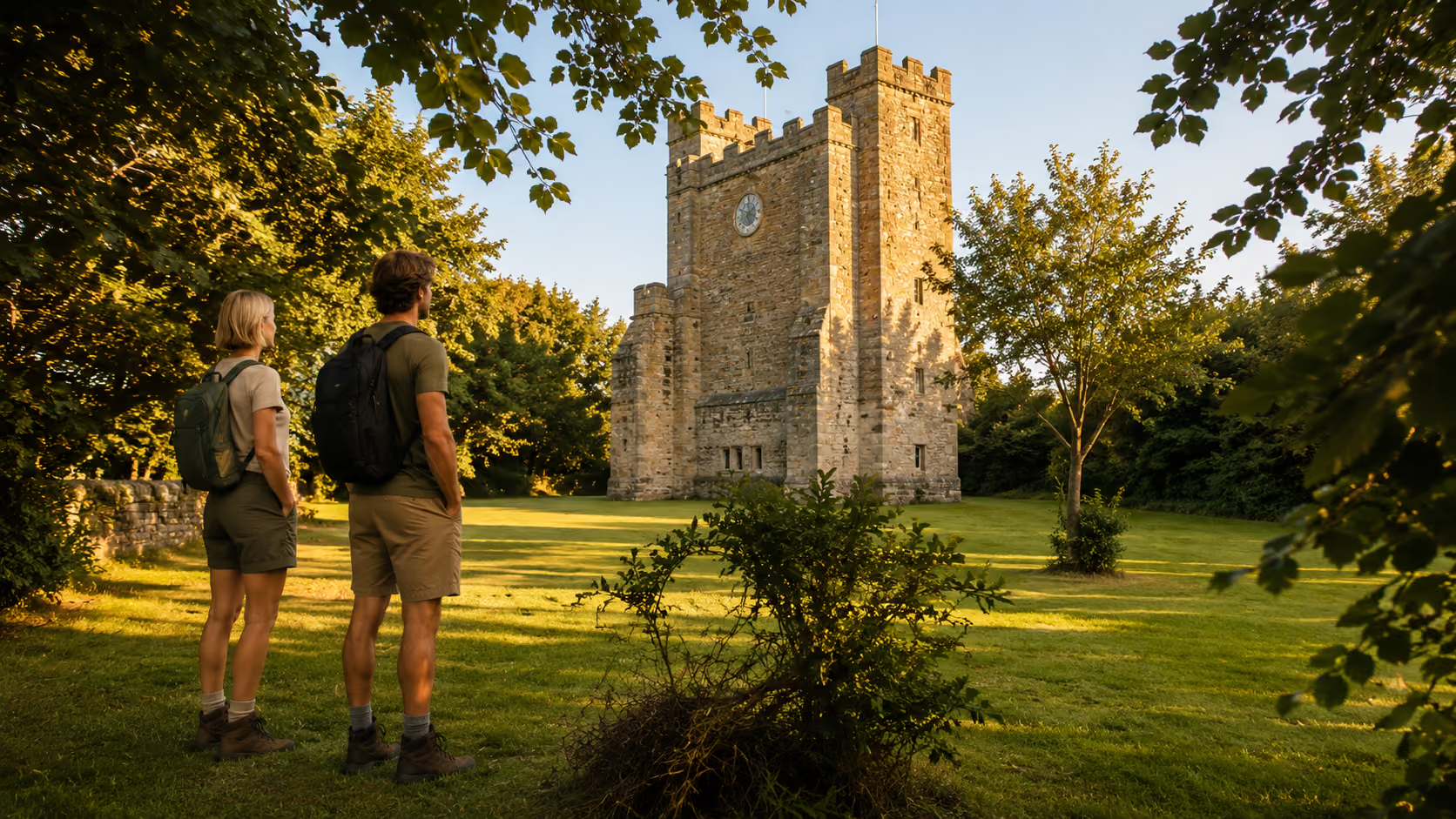
At first glance it simply stands alone beside the road, weathered sandstone against a Northumberland sky, looking more like a forgotten farmhouse than somewhere people once feared for their lives.
I almost drove straight past it.
Curiosity got the better of me.
Camera over one shoulder, I wandered through the gate expecting little more than an old tower and a pleasant half hour with the lens.
Instead, I found myself standing inside a family home built for one purpose above all others.
Waiting.
The walls are astonishing.
Not impressive in the way a cathedral is impressive.
Simply... thick. Ridiculously thick.
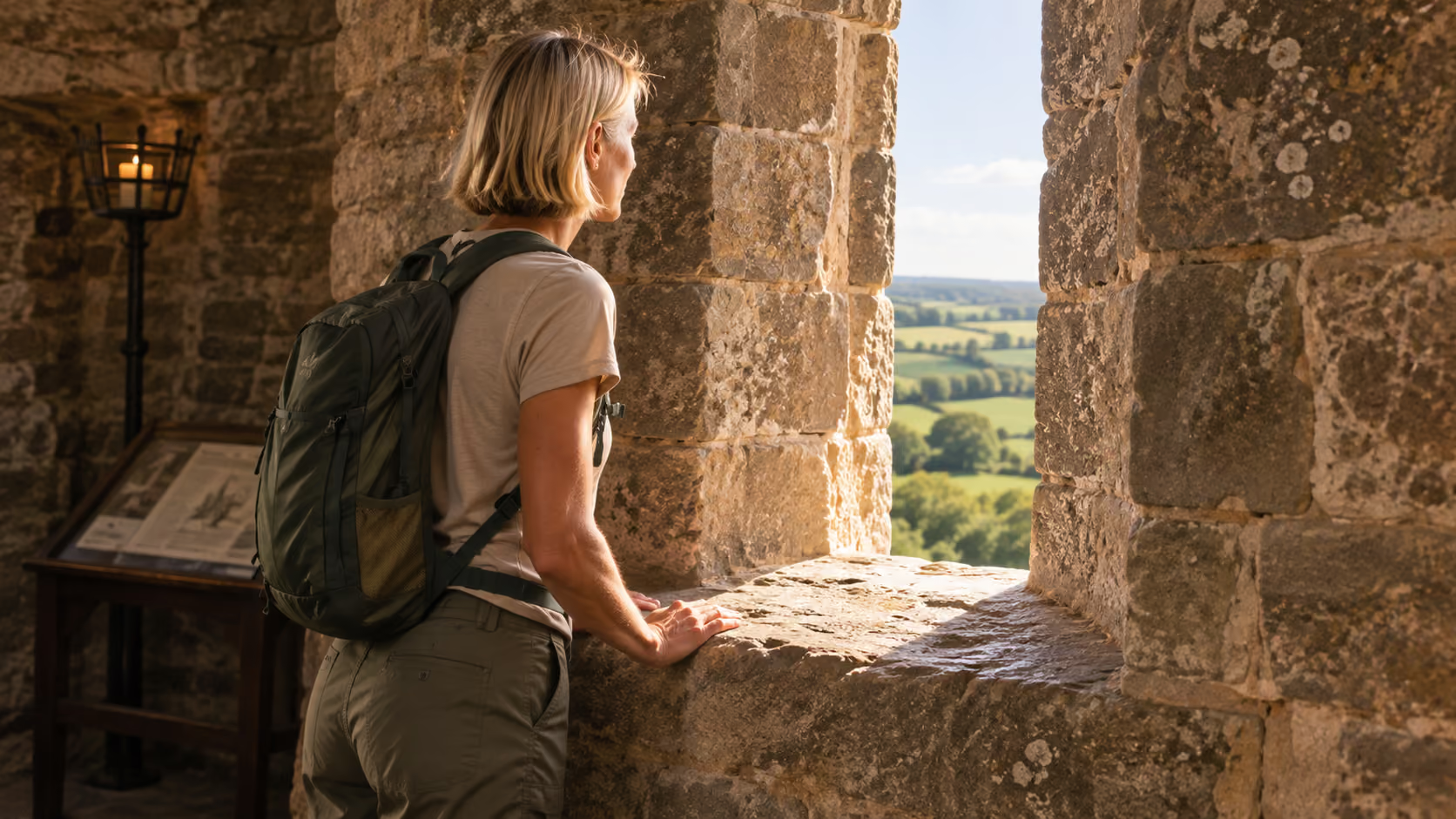
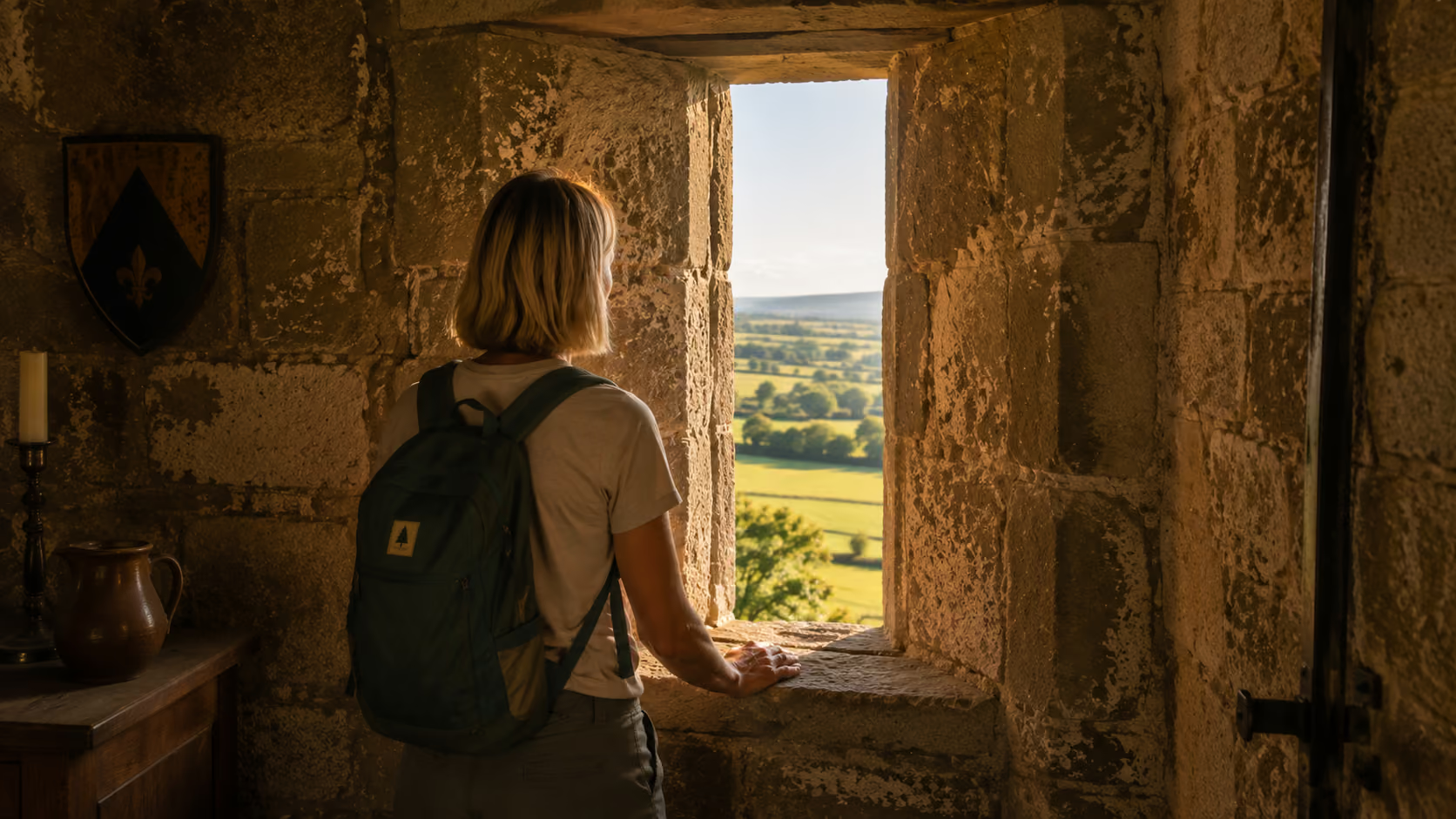
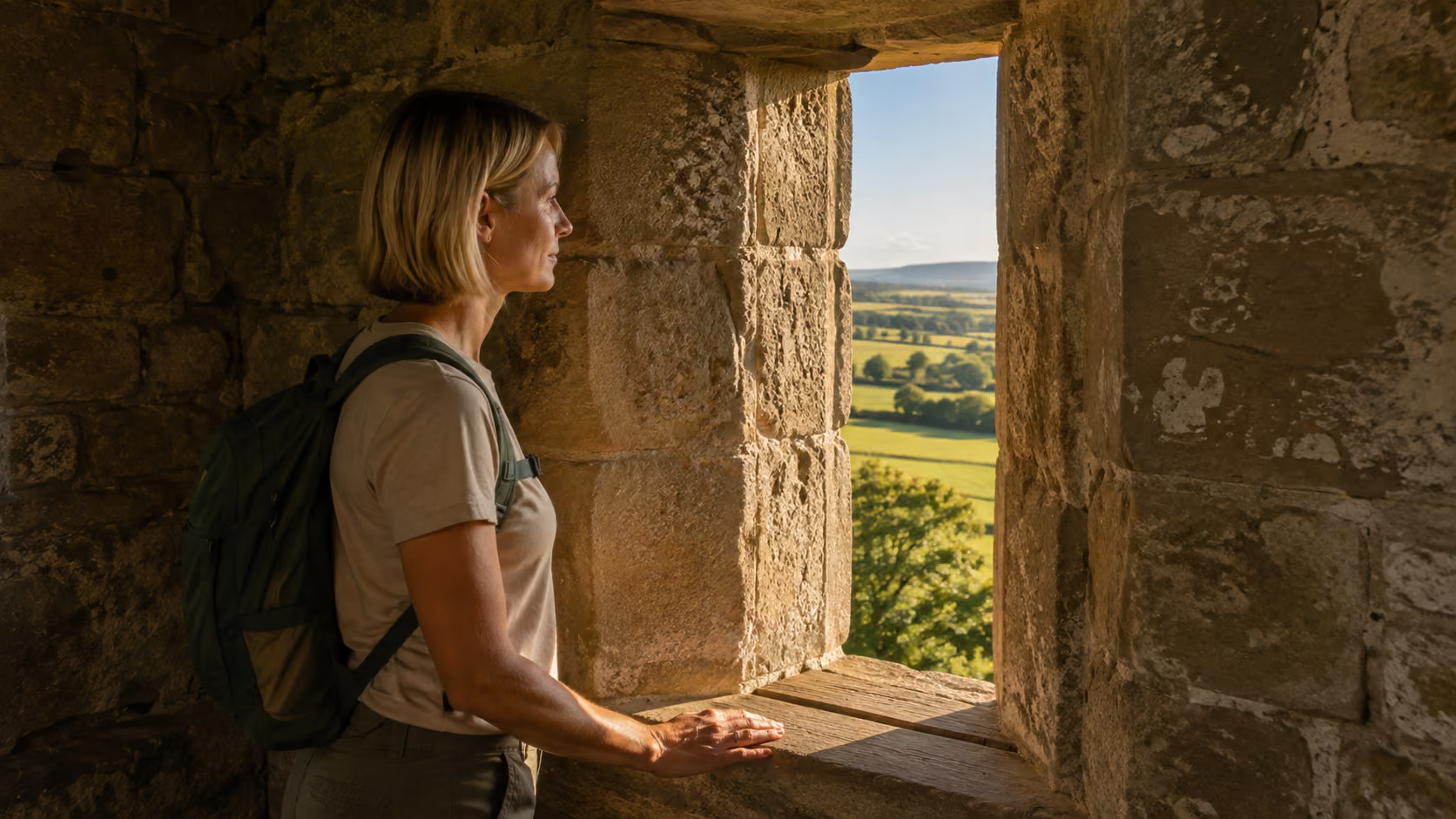
The windows are little more than narrow slits. The staircase twists tightly upward through solid stone. Every doorway feels deliberately small. Every corner feels defensive.
You don't notice these things immediately. Then it dawns on you.
Nobody built a comfortable family home like this. They built somewhere they hoped would survive the night.
At this point Lucy quietly disappeared upstairs while I was still photographing the stonework. When I finally caught up, she was standing beside one of the tiny windows looking out across peaceful farmland.
"It's strange," she said. "You can almost hear how quiet it is now."
That was the moment everything changed.
Five hundred years ago this wasn't peaceful countryside. This was the frontier. Not England. Not Scotland. Just the Border. And that meant nobody could be entirely certain who might arrive after sunset.
It's easy to imagine castles filled with knights. Much harder to picture ordinary families. Parents. Children. Neighbours. People trying to sleep while listening for horses in the darkness.
If word spread that raiders had crossed the hills, everyone nearby might gather inside a pele tower like this one. Livestock below. Families above. The heavy iron gate closed. Candles extinguished.
Waiting.
Not for battle. Simply hoping the riders passed someone else's home instead.
Lucy later said something that stayed with me all the way back to the car.
"I think the hardest part wasn't fighting... it was never knowing when you'd have to."
Suddenly the thick walls made perfect sense. Not as military architecture. As reassurance. Stone replacing certainty.
The strange thing is that today Preston Tower feels wonderfully calm.
Swallows drift across the fields. The wind moves gently through the trees. Someone walking their dog smiles as they pass. Children laugh somewhere beyond the hedgerows.
Nothing feels threatening.
Perhaps that's why places like this matter. Not because they remind us how violent the Border once was. But because they remind us how peaceful it has become.
Sometimes history isn't found in grand castles or famous battlefields. Sometimes it's hidden inside seven-foot-thick walls built by people who simply wanted to wake up together the following morning.
As we climbed back into the car, I glanced once more at the tower in the mirror.
For centuries it watched the horizon for riders. Today it watches passing visitors instead.
I'm rather glad it only has photographers to worry about now.
If you'd like the fuller story of why places like this exist, read The Border Reivers: A History.