Start from the free car park at Howick Sands for this roughly 7-mile return walk to Dunstanburgh Castle and back, easy to moderate underfoot and taking 4–5 hours with a lunch stop. Dogs are very welcome, though leads are recommended near livestock close to the castle. Craster has cafés, pubs and toilets — the Shoreline Café for coffee, The Jolly Fisherman for lunch — but there's nothing on the more remote stretches of path, so plan accordingly.
The Journey Begins
The sky couldn’t quite decide what it wanted to do.
Dark clouds drifted over the North Sea as Tom and I pulled into the free car park at Howick Sands, boots laced and Meg already impatient, wondering why humans insist on carrying cameras before leads.
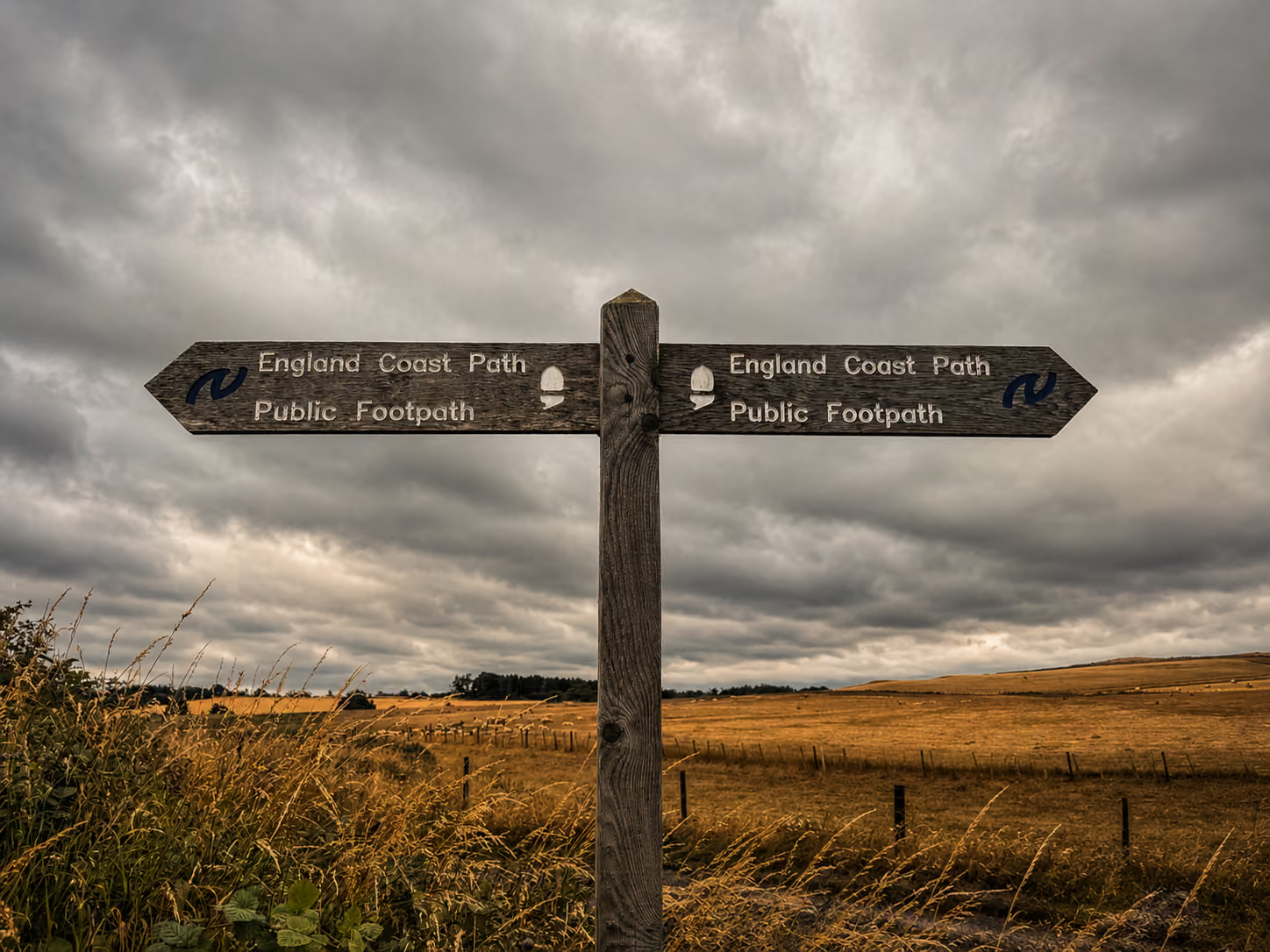
There is something reassuring about beginning a walk where there are no ticket booths, no visitor centre and no queues. Just the sound of gulls, the smell of salt and a weathered signpost pointing north.

Within minutes the coastline began to remind us why this stretch of Northumberland feels so different to almost anywhere else in England. The cliffs are not dramatic because they are especially tall.
They are dramatic because they look ancient.
Layer upon layer of dark volcanic rock drops into the sea like giant pages from an old history book.
The Bathing House
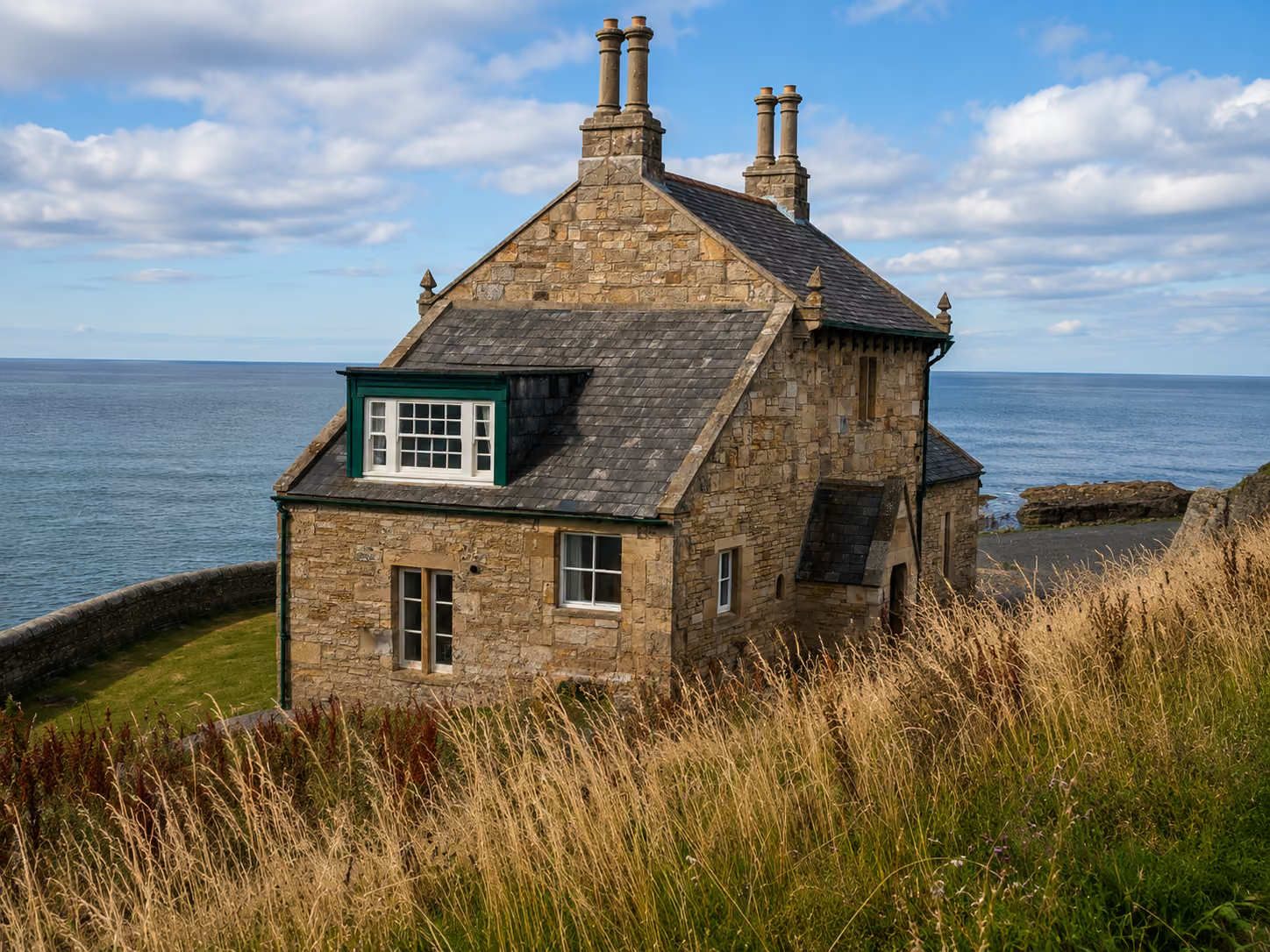
Almost hidden against the cliffs sits one of Northumberland’s more unusual buildings.
The Bathing House was built in the eighteenth century for the Grey family of nearby Howick Hall. Guests would change here before stepping down into the sea, long before seaside holidays became fashionable.
Tom and I imagined what it must have looked like when visitors arrived here from the hall, dressed for an afternoon by the water and preparing themselves for the cold North Sea below.
Standing beside it today, with the waves rolling endlessly beneath the cliffs, it feels both wonderfully grand and slightly improbable.
History has a habit of hiding in plain sight around here.
Following the Coast
The path never strays far from the sea.
Sometimes it runs above wide rocky shelves stretching into the North Sea. Elsewhere the coastline rises into dark cliffs, streaked white by nesting seabirds and shaped by centuries of wind and salt.
The soundtrack is simple: waves below, gulls above and the occasional rattle of Meg’s lead when she decides we are walking far too slowly.
Even on a summer weekend there are long moments when the coastline feels entirely your own.
Craster and the Smell of Smoke
Craster announces itself before you properly arrive.
Fishing boats sit quietly in the harbour, stone cottages gather around the water and the unmistakable scent of oak-smoked kippers drifts through the village.
For generations, Craster has been closely linked with the curing of herring. The smokehouses have become part of the village’s identity, and even if fish is not your thing, the smell somehow belongs here as naturally as the sea air.
You know you have reached Craster before you even see the boats.
Coffee by the Harbour
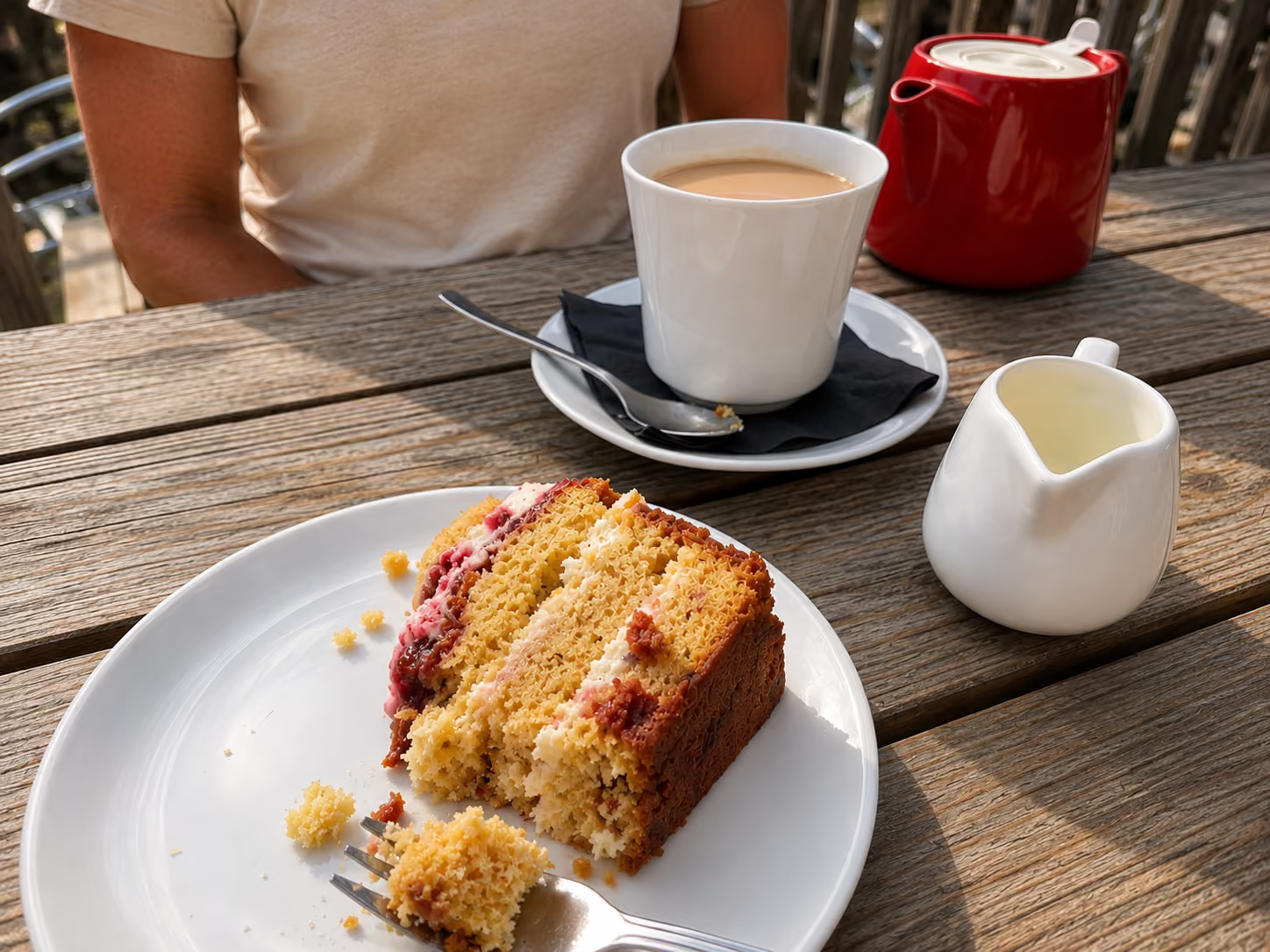
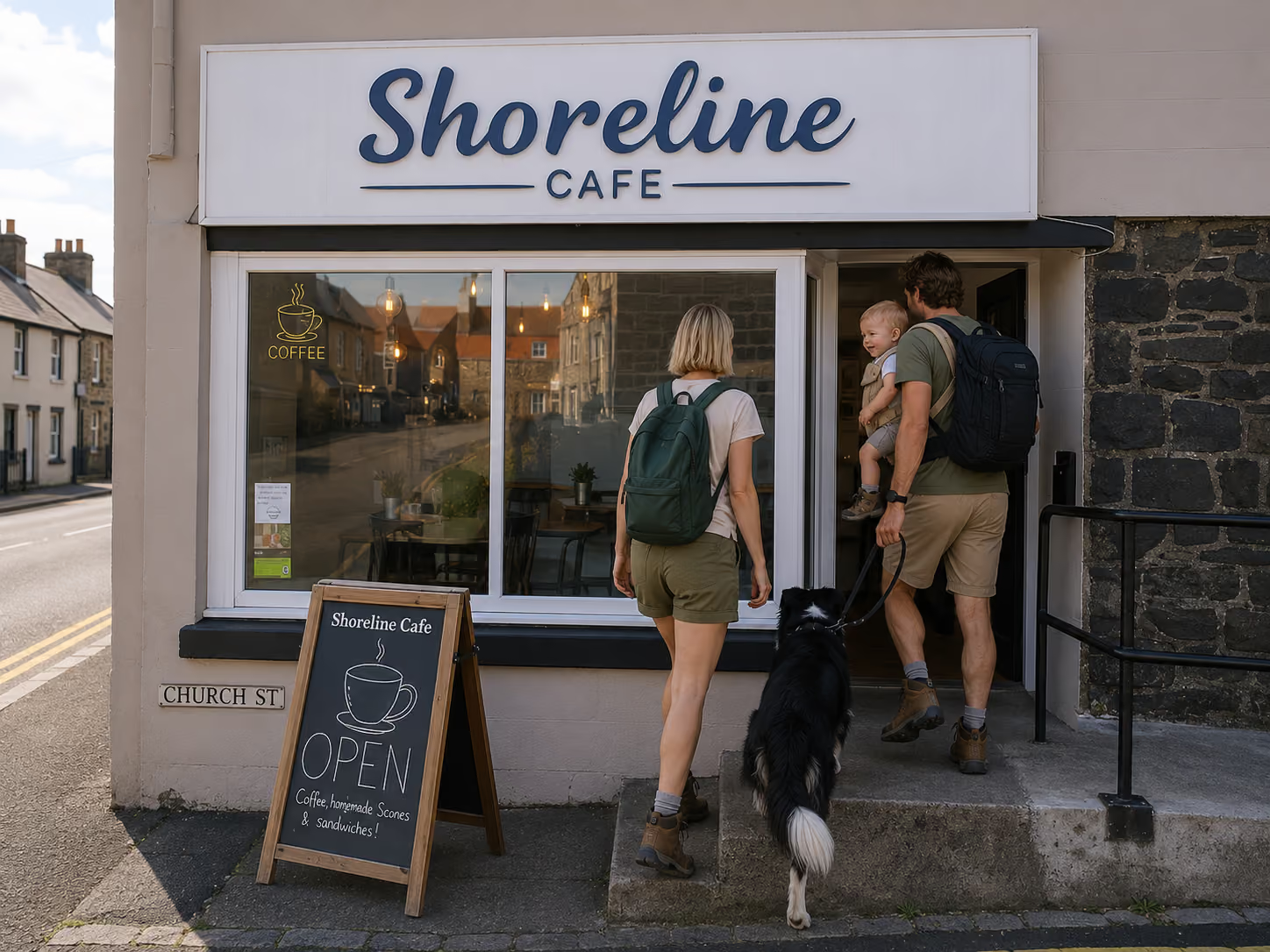
Before continuing towards the castle, we stopped at the Shoreline Café. The coffee was excellent, the cakes even better and, slightly to our surprise, the vegan choices were genuinely delicious rather than included as an afterthought. It was exactly the sort of place you hope to find halfway through a walk: warm, relaxed and close enough to the harbour that you still feel part of the day outside.
Where the Castle Waits
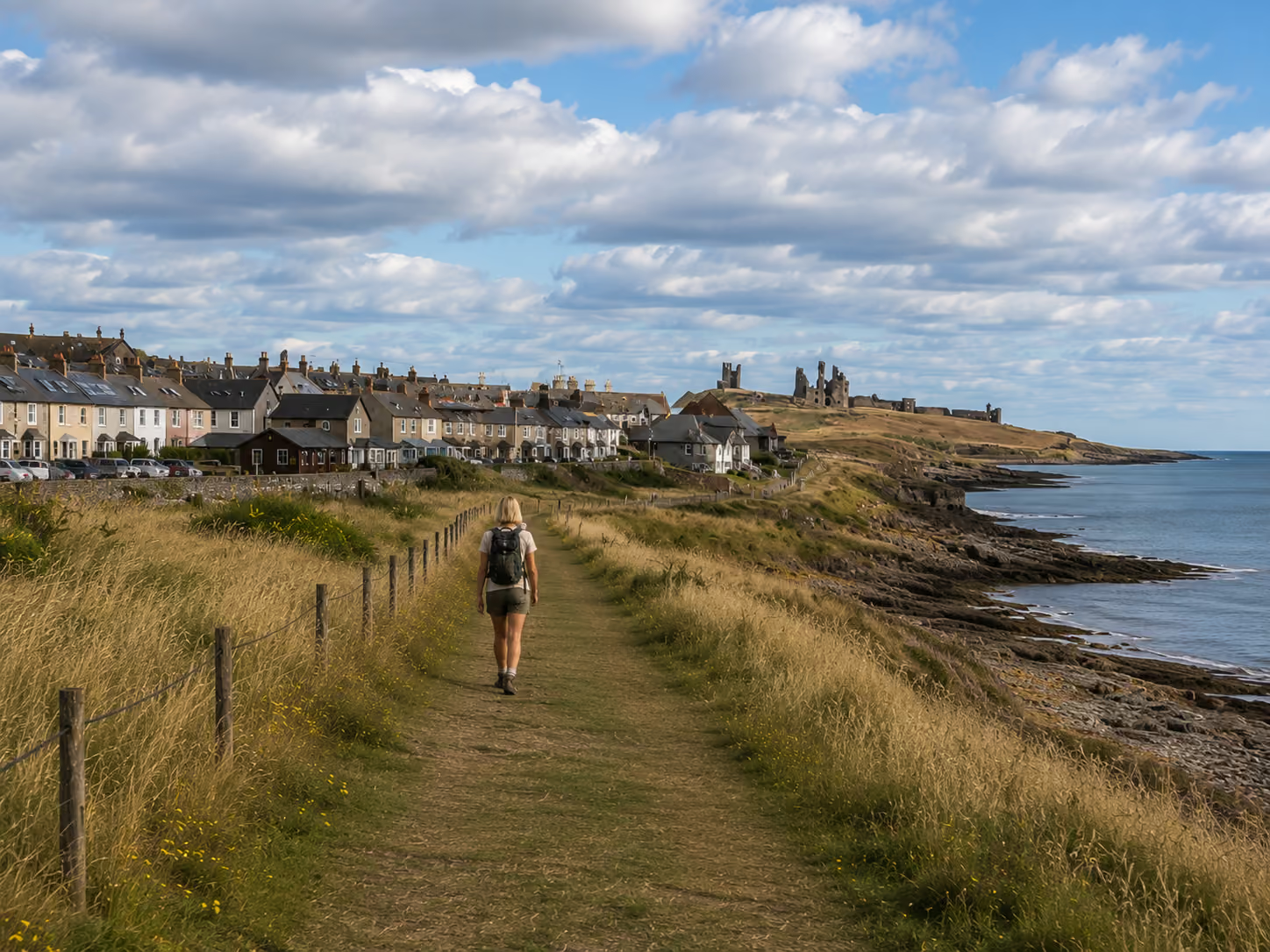
Leaving Craster behind, the path climbs gently through open fields.
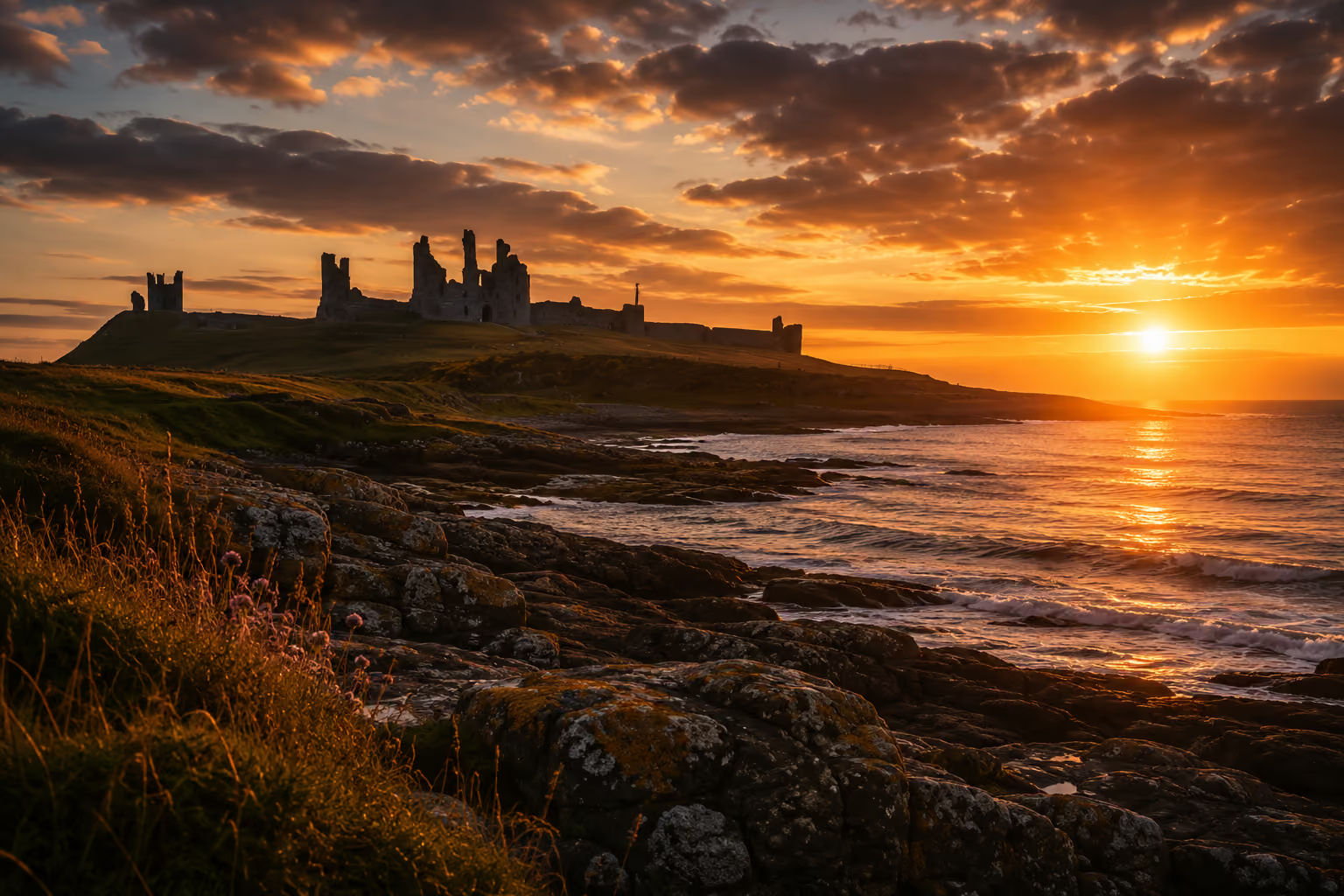
At first Dunstanburgh Castle is only a shape on the horizon. Then, with every few steps, another wall or tower appears until the ruins seem to rise out of the landscape itself.
It is one of those views that photographs never quite manage to explain.
As the clouds began to break and sunlight moved across the grass, Tom and I stopped for a moment without saying very much.
Some places deserve silence.
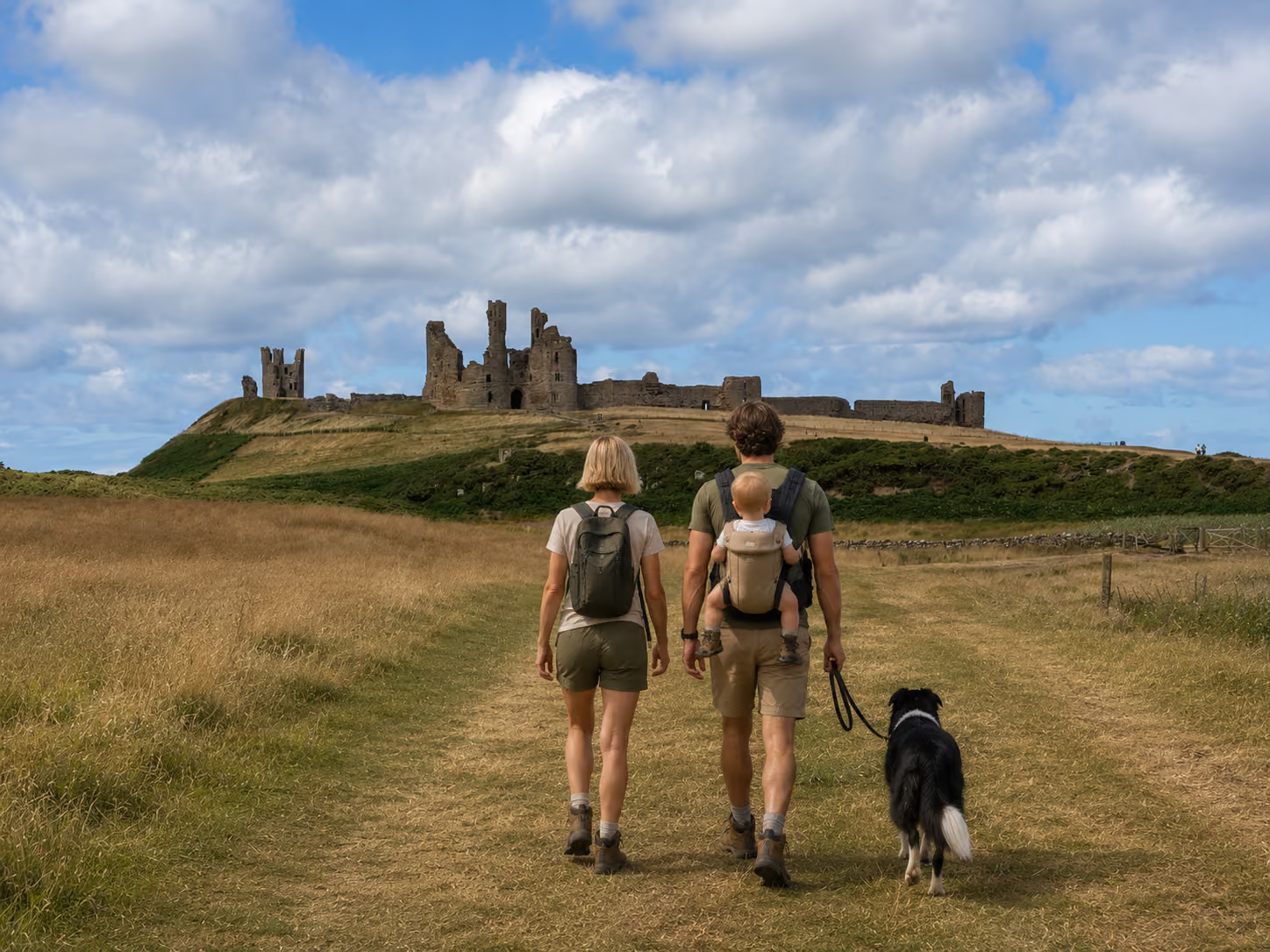
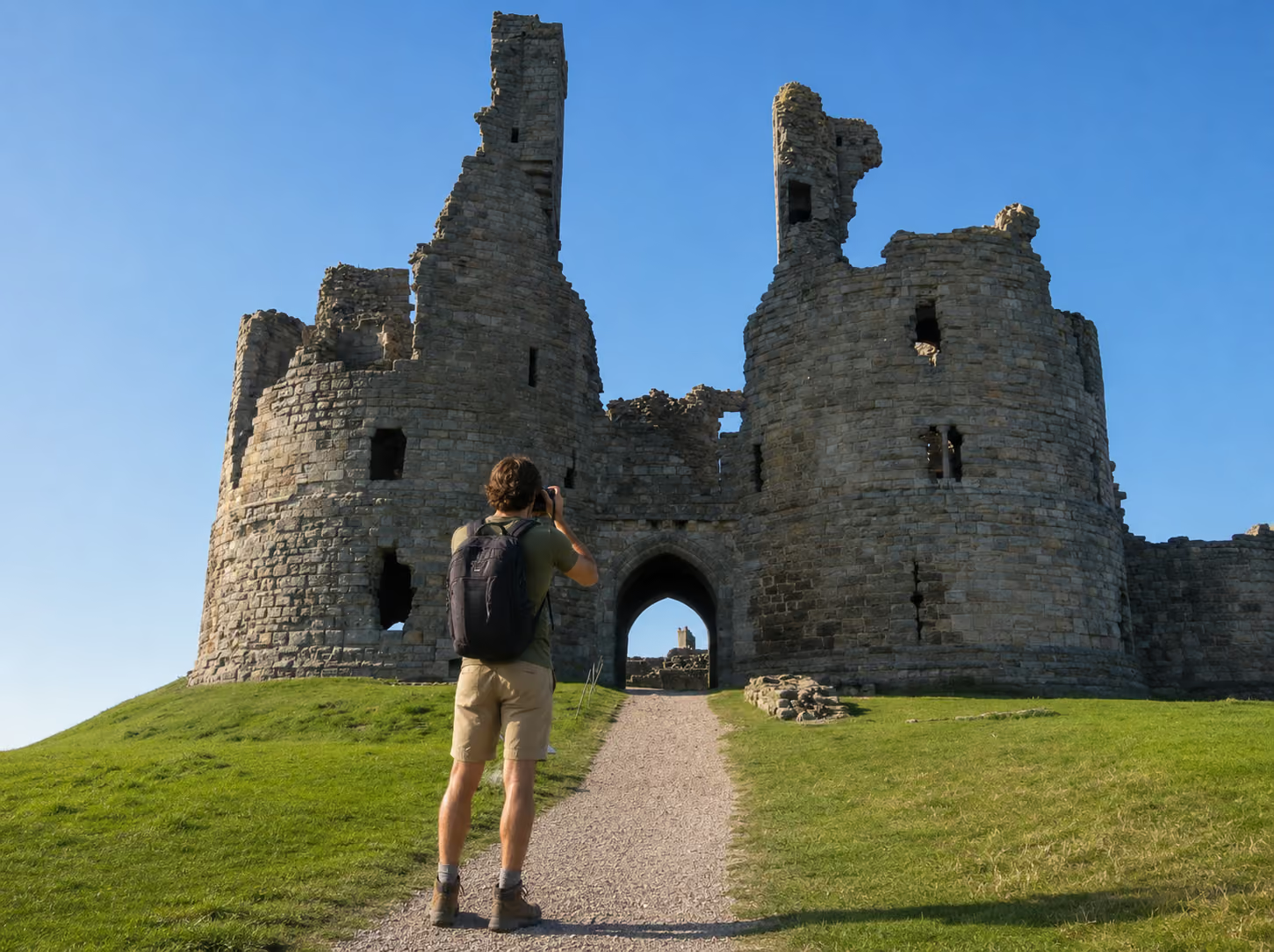
Built in the early fourteenth century by Thomas, Earl of Lancaster, Dunstanburgh was intended as much as a display of wealth and power as a practical fortress.
Tom and I imagined how imposing it must once have seemed to travellers approaching along this exposed coast, its walls rising above the sea and visible from miles away.
Centuries of North Sea weather have softened it into the romantic ruin we see today, but from a distance it still feels as though it is waiting for someone.
The Walk Back
Rather than continuing inland, we retraced our route along the coast.
The return journey felt different.
The tide had shifted, the light had changed and, with the castle now behind us, we noticed details we had hurried past earlier: wildflowers moving in the wind, dark rock pools below the path and the long sweep of coastline disappearing south.
Even Meg seemed content to take her time.

Lunch at The Jolly Fisherman
Back in Craster, we rewarded ourselves with lunch at The Jolly Fisherman.
Fresh seafood is understandably the star of the menu, but what makes the place memorable is the setting. Sitting outdoors with the harbour only a few steps away felt like the proper ending to a proper coastal walk.

A Small Discovery
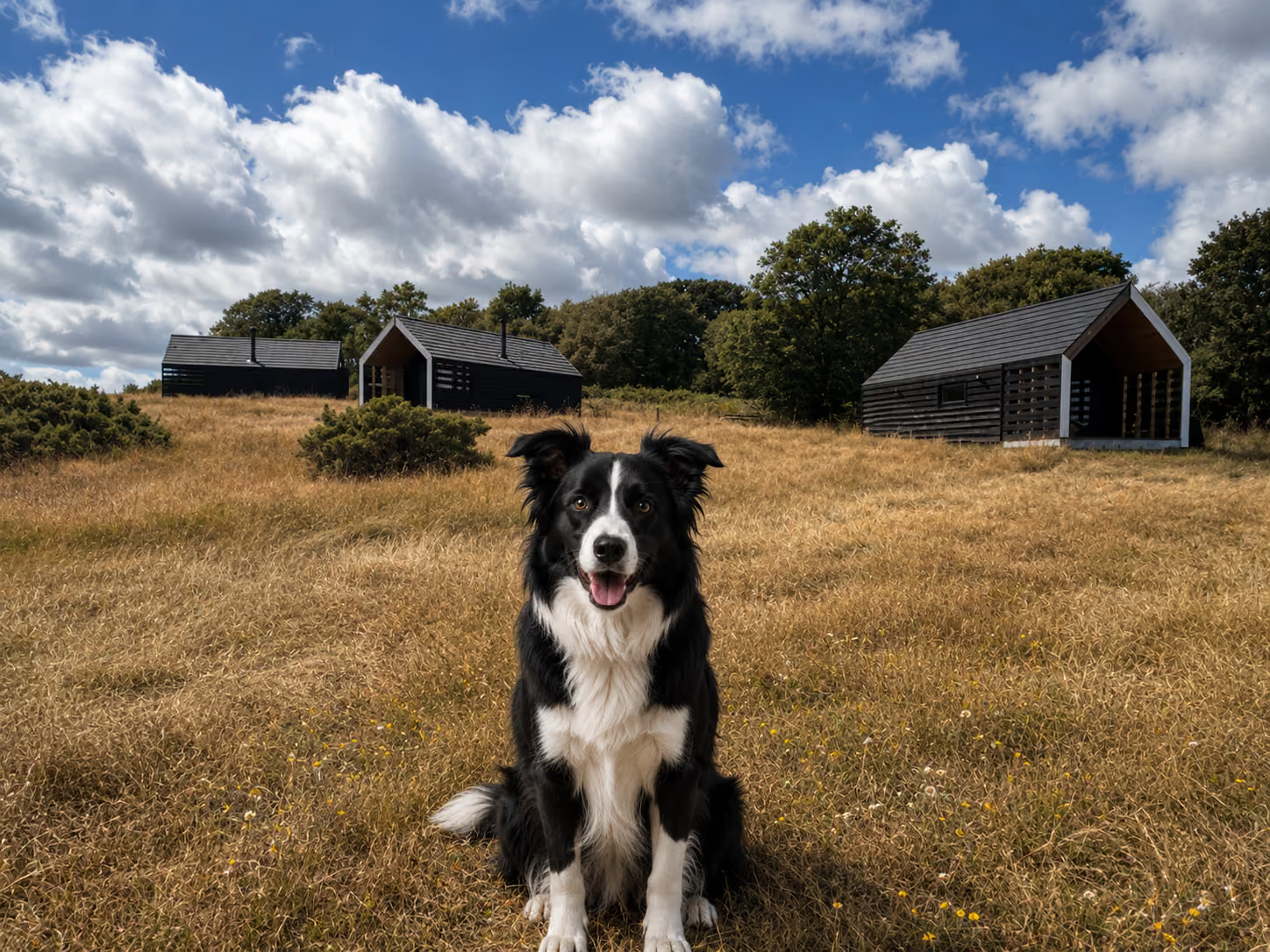
On the way home, we spotted a handful of beautifully designed glamping pods tucked quietly into the landscape.
They looked like exactly the sort of place we would happily return to for a weekend of walking, photography and slow mornings with coffee.
We have made a note of them.
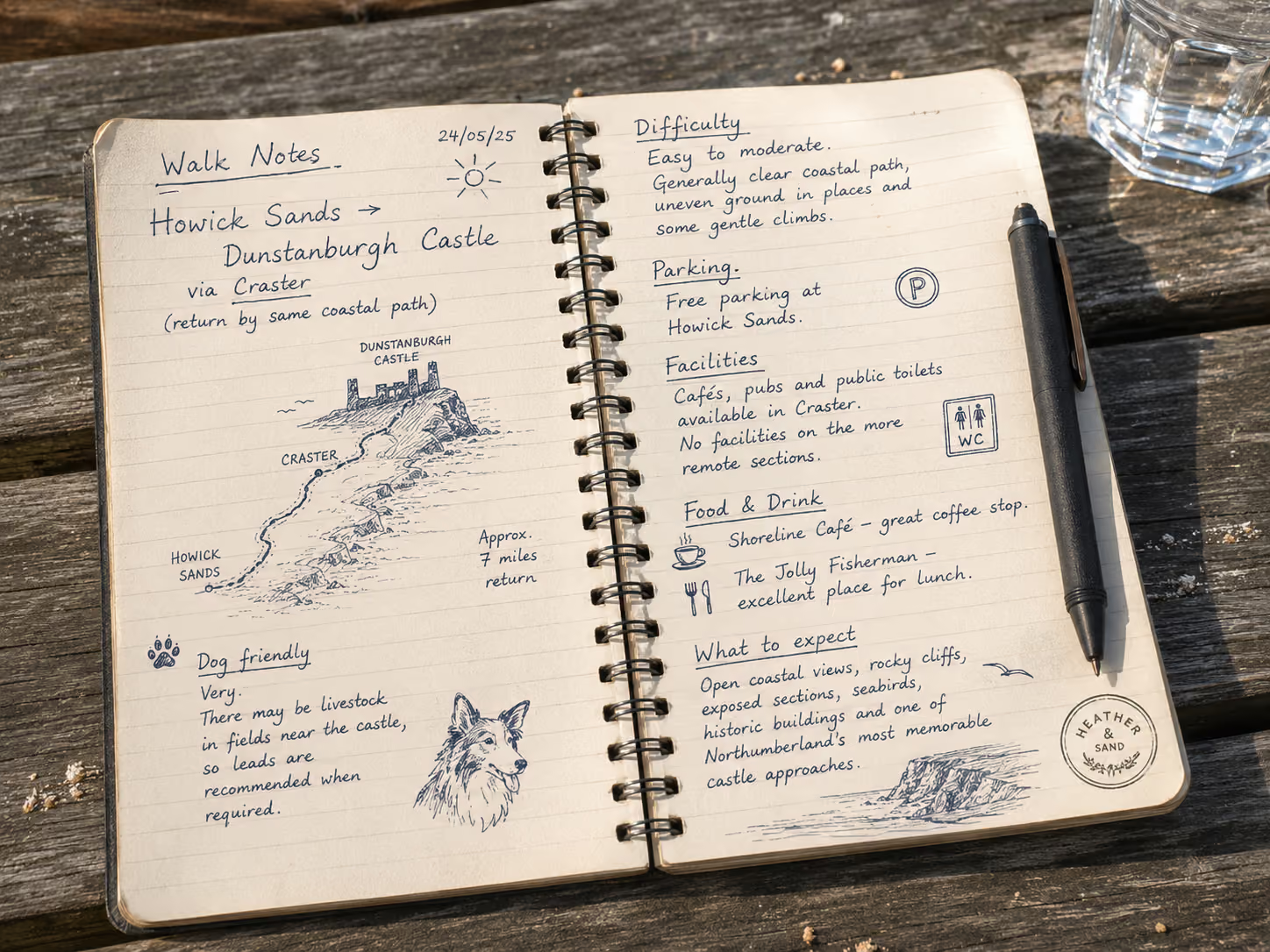
Walk Notes
Route: Howick Sands to Dunstanburgh Castle via Craster, returning by the same coastal path.
Distance: Approximately 7 miles return.
Difficulty: Easy to moderate. The route follows a generally clear coastal path, with uneven ground in places and some gentle climbs.
Parking: Free parking at Howick Sands.
Dog friendly: Very. There may be livestock in fields near the castle, so leads are recommended when required.
Facilities: Cafés, pubs and public toilets are available in Craster. There are no facilities on the more remote sections of the coastal path.
Food and drink: Shoreline Café is a good coffee stop, while The Jolly Fisherman makes an excellent place for lunch.
What to expect: Open coastal views, rocky cliffs, exposed sections, seabirds, historic buildings and one of Northumberland’s most memorable castle approaches.
Heather & Sand Thoughts
This is one of those walks we would happily repeat in every season.
The coastline changes with the weather, Dunstanburgh never looks quite the same twice and Craster remains the kind of village that is impossible to rush through.
It is a walk made up of more than one destination: an old bathing house above the sea, coffee by the harbour, a castle waiting on the horizon and a quiet garden stop before home.
Another day collected between heather and sand.