A spider.
Not a huge one. Not one of those exotic tarantulas you see on television. Just a perfectly ordinary British house spider wandering confidently across the lounge floor as though it owned the place.
Now here's the strange thing.
Lucy is absolutely fine with tarantulas behind glass in a wildlife park. But our familiar late-summer house spiders? That's another matter entirely.
You know the ones...
Greyish brown, long knobbly legs and surprisingly quick when they decide to make a run for it.
Before I could even identify our unexpected visitor, Lucy was already shouting...
"Blue job! Blue job! Blue job!"
That's our family code for...
"Tom... this one's yours."
So, armed with nothing more than a glass and a bit of cardboard, our little guest was safely escorted back outside where, hopefully, it found somewhere else to continue its evening stroll.
With August almost here, it reminded me that we're about to enter what feels like Britain's unofficial Spider Season.
After several autumns living with someone who can spot a spider from three rooms away, I've picked up a few tricks that genuinely seem to help.
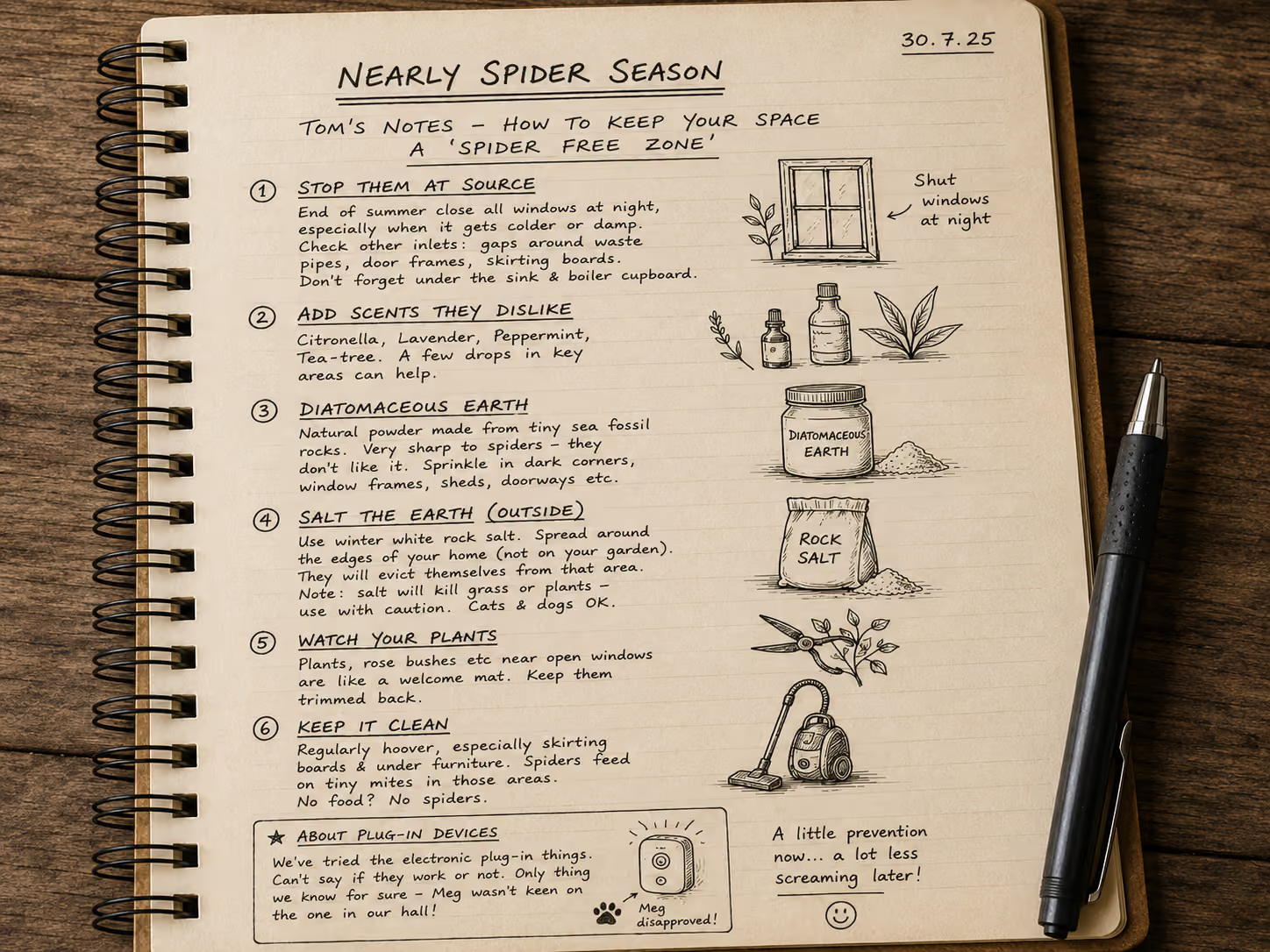
Keep them outside
The biggest difference we've found is simply keeping windows closed once the evenings become cooler, especially after dark.
It's amazing how many wandering spiders seem to arrive during those late summer nights.
While you're at it, have a look around your home for the less obvious entrances.
Check around waste pipes beneath sinks, boiler cupboards, door frames, skirting boards and any little cracks that lead indoors.
Stopping them getting in is far easier than persuading them to leave.
They dislike strong scents
Some people swear by essential oils, and we've had reasonable success with:
- Peppermint
- Citronella
- Lavender
- Tea tree
Whether it's the smell or simply coincidence, they certainly seem less keen on areas where these scents are used.
Diatomaceous earth
This has probably been one of the more useful discoveries.
Diatomaceous earth is a fine natural powder made from fossilised algae. To crawling insects and spiders it's abrasive, so many people use it as a deterrent around places where spiders might enter or hide.
A light dusting in dark corners, around window frames, sheds or garages can help.
Always follow the product instructions and avoid breathing in the dust when applying it.
Think about what's growing outside
One thing we noticed...
Plants growing right up against open windows seem to create perfect little bridges into the house.
If you've got climbing plants, shrubs or rose bushes brushing against the walls, giving them a tidy trim can remove an easy route indoors.
Keep on top of the vacuuming
Spiders tend to settle where food is available.
Regularly vacuuming skirting boards, behind furniture and forgotten corners helps remove dust, webs and many of the tiny insects they feed on.
Less food often means fewer reasons for spiders to hang around.
What about electronic plug-ins?
We've tried the ultrasonic plug-in devices over the years.
Honestly?
I'm still not convinced they make much difference.
The only definite opinion in our house came from Meg, who wasn't particularly impressed with the one we plugged into the hallway.
Whether any of these tips are foolproof is open to debate, but together they seem to make a noticeable difference each autumn.
As for Lucy...
She's already scanning every ceiling before bedtime.
And if you happen to hear someone shouting "Blue job!" from somewhere in Northumberland over the next few weeks...
There's every chance another adventurous spider has decided to visit.